Chronicles
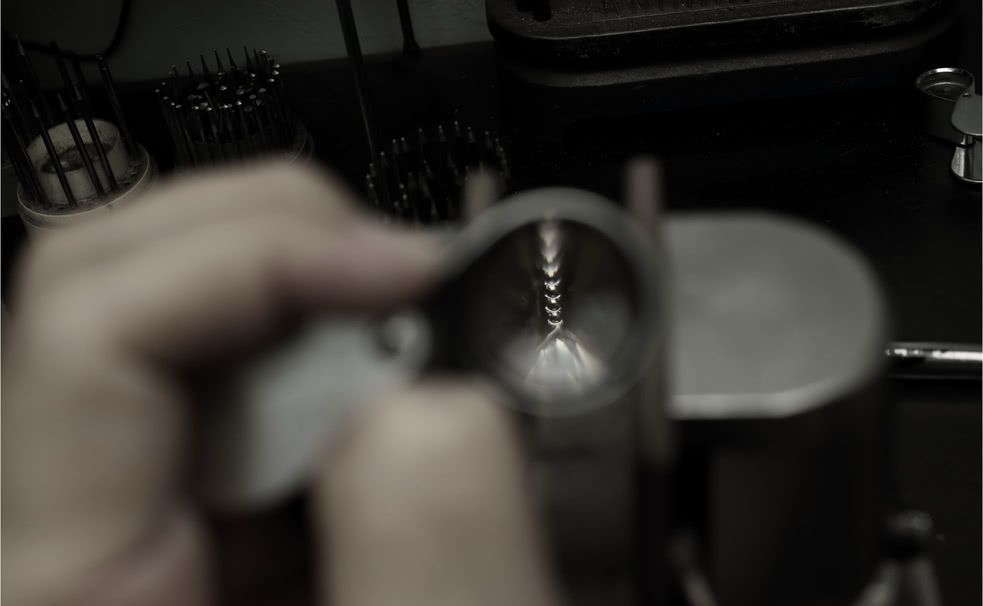
Milgrain: The Measure of a Hand
A single bead of milgrain is no larger than 0.2 millimeters. At that scale, the difference between precision and error is invisible to most people, but not to the hand that makes it. Milgrain is a technique of borders and edges: tiny beads of gold or platinum, engraved in sequence along the rim of a setting or the spine of a band, catching light in a way that flat metal cannot. The word itself comes from the French mille grains, a thousand grains. The name describes what you see. What it does not describe is what it takes to produce. At kataoka, every milgrain bead is engraved by Yoshinobu Kataoka's hand. Not pressed by a machine. Not stamped from a die. Engraved, one bead at a time, using a steel tool whose tip has been shaped over years of use to respond to the specific pressure and angle of one person's grip.
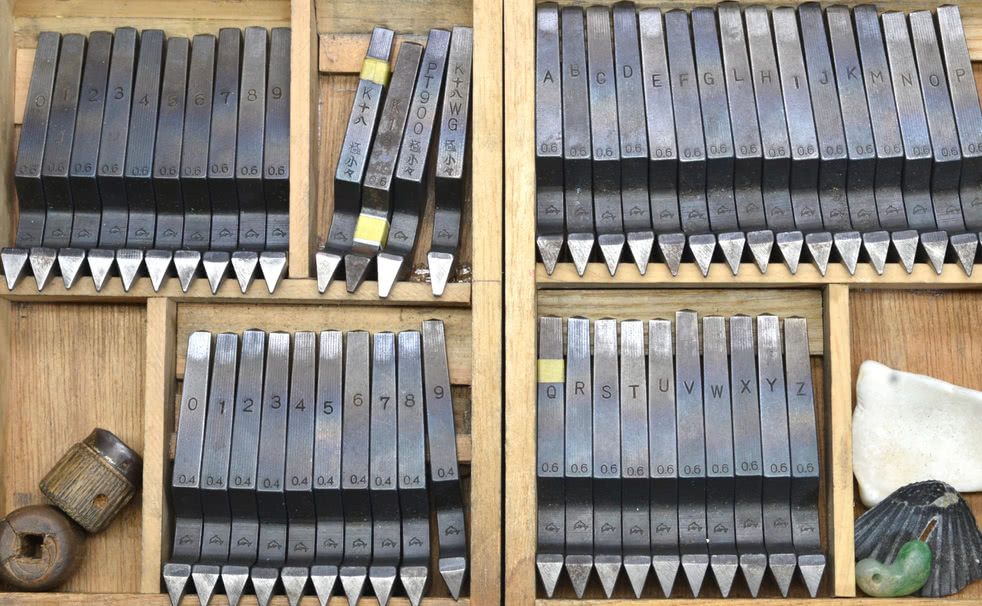
Hand-Engraving: What the Line Remembers
A hand-engraved line is not drawn. It is cut. A steel tool called a graver is pushed into metal at a controlled angle, and a fine ribbon of gold or pl...
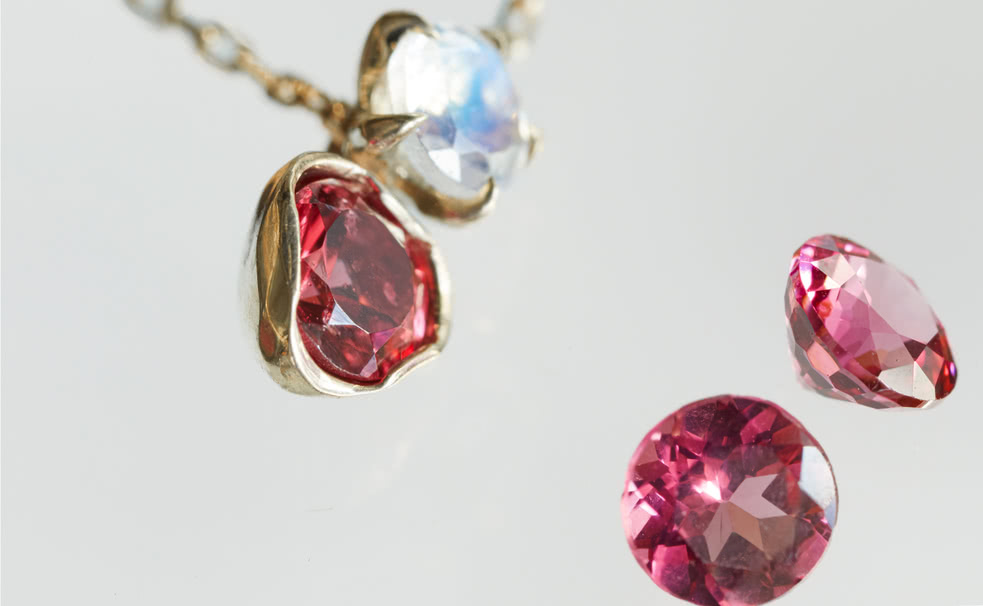
Gemstones: What the Stone Decides
At kataoka, a piece of jewelry does not begin with a sketch. It begins with a stone. Before any design decision is made, Yoshinobu Kataoka studies the...
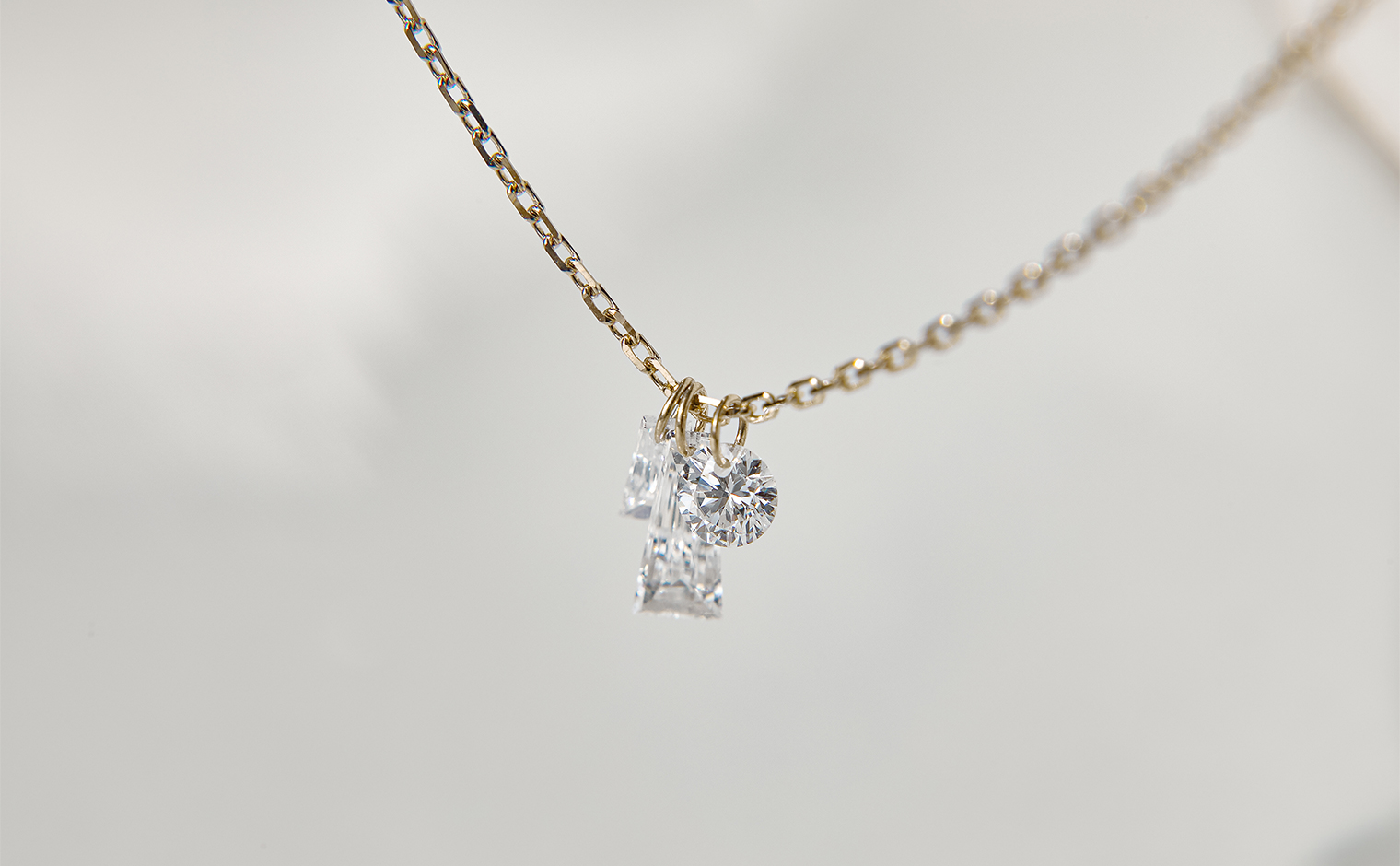
Less is More: The Discipline of Absence
Most jewelry is designed by addition. A setting is built, a stone is placed, a detail is layered on until the piece feels complete. The Less is More c...